Our Projects
Nutrition for Health Activity (N4H)
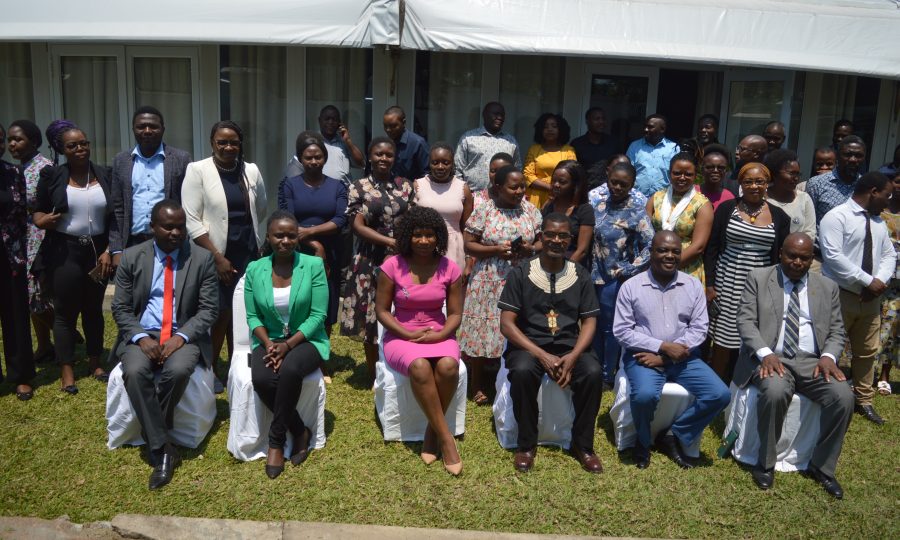
Financed by USAID and collaboratively implemented by the Lilongwe University of Agriculture and Natural Resources (LUANAR) and the Civil Society Organisations Nutrition Alliance (CSONA), the Nutrition 4 Health (N4Hp) project was a five-year initiative that strengthened Malawi’s national capacity to respond effectively to nutrition challenges impacting public health.
Implemented in Zomba, Salima, and Mzimba Districts, alongside activities at the national level, N4H focused on building sustainable nutrition and dietetics capacity to improve health outcomes for all Malawians.
The project was organised around four key work packages:
Support for Human Resources in Nutrition and Dietetics
Establishment and Equipping of a Dietetic Association in Malawi
Capacity Strengthening for Staff and Students in Nutrition
Advocacy for Nutrition and Dietetics
Through these components, N4H aimed to advocate for the training of a critical mass of dietitians for hospitals, working towards enhanced LUANAR’s teaching and research capacity, and advanced recognition of the dietetic profession in addressing malnutrition and non-communicable diseases (NCDs) in district hospitals.
Investing in Early Years Project (IEYP)
Financed by the World Bank in partnership with the Early Childhood Development Coalition (ECDC) and implemented by the Government of Malawi through the Ministry of Gender, the Investing in Early Years (IEYP), was a program implemented in 13 districts in Malawi aimed at monitoring nutrition and early stimulation. One of the key components of this program was the administration of the Community Score Card Administration through Citizen Engagement (CE) Initiative was a collaborative accountability initiative led by CSONA and ECDC.
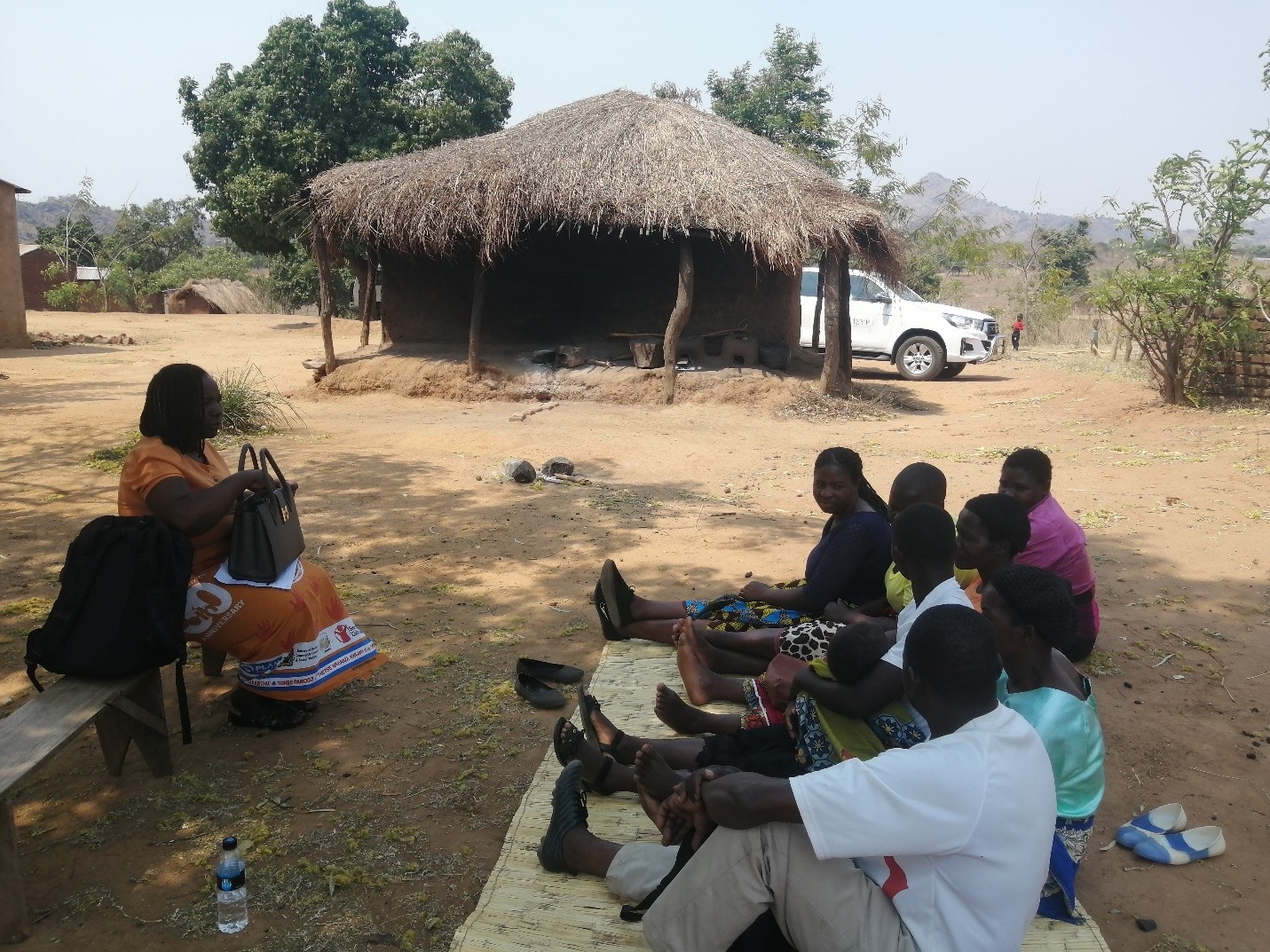
The component aimed to empower citizens to participate actively in monitoring and improving service delivery particularly in nutrition, early stimulation, and early learning services provided to children under five, pregnant and lactating mothers, and caregivers.
Using the Community Score Card (CSC) tool, the initiative created platforms where service users and duty-bearers came together to discuss challenges, share feedback, and propose solutions for better service delivery in Child-Based Care Centres (CBCCs) across 13 Districts.
Through this citizen government dialogue, the CE initiative strengthened transparency, accountability, and responsiveness in early childhood services. It also enhanced feedback mechanisms that allowed communities to share information, participate in consultations, and influence decisions affecting their welfare.
By the end of the project, the CE process had contributed to improved trust between citizens and service providers, better-informed decision-making, and stronger systems for accountability within Malawi’s early childhood development and nutrition sectors.
URBAN GOVERNANCE
CSONA, in partnership with Bwalo Initiative, implemented a seven-month project aimed at promoting inclusive urban governance and responsive city management for residents of Zomba City. The initiative, funded under a broader effort to strengthen citizen participation and transparency in urban planning processes, sought to enhance the democratic engagement of local communities in shaping the future of their city.
Through this project, CSONA played a key role in building the capacity of local governance structures such as Ward Development Committees (WDCs) and Neighborhood Development Committees (NDCs), enabling them to engage meaningfully with the Zomba City Council. By equipping these structures with knowledge and tools, the project empowered local actors to take part in decision-making and hold duty bearers accountable.
A central pillar of the project was improving dialogue and feedback mechanisms between Zomba residents and the city’s leadership. This helped bridge communication gaps, leading to more responsive and inclusive urban governance. As a result, residents were actively involved in reviewing and contributing to the development of the Zomba Socio-Economic Profile (SEP) and the Urban Development Plan (UDP).
While the project successfully delivered on key governance and planning objectives, it faced some limitations. Notably, the development of the Urban Structural Plan could not be completed due to resource constraints, and the short seven-month timeline proved to be a challenge in achieving some of the more ambitious goals. Nonetheless, the initiative laid a solid foundation for ongoing citizen engagement in urban development processes and demonstrated the importance of collaboration between civil society and local authorities in strengthening urban governance.
Nutrition Governance
The Nutrition Governance Project was implemented by CSONA with funding from the Tilitonse Foundation. The 13-month initiative aimed to strengthen civil society and citizen participation in nutrition governance by enhancing transparency, accountability, and community involvement in planning, implementation, and monitoring of nutrition services.
The project focused on three key result areas: strengthening nutrition governance systems and structures at district and community levels; building the capacity of citizens to participate in nutrition processes; and increasing accountability for nutrition service delivery. As part of these efforts, 75 members of Area and Village Nutrition Coordinating Committees (ANCCs and VNCCs) were oriented on their roles and responsibilities. Five traditional leaders were also empowered to understand and apply human rights principles in promoting nutrition and food security within their communities. Additionally, the project supported Village Development Committees (VDCs) to effectively demand government accountability regarding the right to food. This advocacy led to the establishment of a fertilizer selling depot in Traditional Authority Makwangwala.
The project introduced a sub-ANCC structure in Traditional Authority Kafuzira (Lupachi) as a way of bridging community structures with duty bearers and strengthening local-level nutrition governance. In collaboration with AFIKEPO (Save the Children and CISANET), a district budget analysis was conducted in Nkhotakota, and Public Expenditure Tracking Surveys (PETS) were carried out in both implementation districts. The Global Day of Action for Nutrition was also commemorated in Nkhotakota to raise awareness and facilitate community engagement.
However, the project encountered several challenges. The voluntary nature of participation by district chapter members meant that full commitment throughout the project was not always feasible. Additionally, CSONA’s project vehicle was involved in an accident during implementation, affecting field mobility. The short duration of the project also limited the ability to conduct follow-ups and track long-term impact.
Despite these challenges, the project contributed significantly to strengthening local nutrition governance, building community awareness, and enabling active citizen engagement in demanding improved nutrition services.
Promoting Youth Participation in nutrition platforms
The Youth Grant (SUN), funded under the Scaling Up Nutrition (SUN) Movement, was a youth-led initiative piloted in the districts of Nkhotakota and Balaka. The project aimed to amplify youth voices in community nutrition platforms and increase their visibility and participation in structures that shape local nutrition outcomes. By targeting key nutrition committees such as the Area and Village Nutrition Coordinating Committees (ANCC and VNCC) as well as Community and Area Community Liaison and Advocacy Networks (CLAN and ACLAN), the project worked to bridge the gap between youth networks and formal nutrition governance spaces.
CSONA implemented the project with the goal of ensuring that young people are not only represented but are also active drivers of change within their communities. As a result of the initiative, youth were successfully incorporated into CLAN and ACLAN structures, while stronger linkages were established between youth clubs and VNCCs. These connections were critical in elevating youth-led actions such as the promotion of backyard gardens and the facilitation of community-based cooking demonstrations, which emphasized practical nutrition knowledge and behavior change.
At the district level, the project facilitated engagement meetings with key stakeholders including the District Planning Director (DPD), District Nutrition Coordination Committee (DNCC), District Youth Officer (DYO), and Principal Nutrition and HIV/AIDS Officer (PNAHO). These engagements created room for cross-sectoral dialogue on how best to institutionalize youth participation within the wider nutrition ecosystem. In the communities, the project conducted awareness sessions for nutrition committees while also training youth clubs and youth network structures to better understand their roles in promoting nutrition.
Despite its impact, the project faced notable challenges. The COVID-19 pandemic disrupted the implementation timeline, particularly due to transport cost hikes and restrictions on meetings with stakeholders. Financial constraints also limited the scope of activities, and in some areas, weak community nutrition structures posed a barrier to sustaining youth visibility and influence. Additionally, it was observed that while many organizations focus on training community promoters, the broader nutrition committees, especially those that include youth, are often left out of capacity-building initiatives.
Nonetheless, the project marked an important step toward creating an enabling environment for youth participation in nutrition and highlighted the need for sustained investment in inclusive governance of food and nutrition systems.
SUN POOLED FUND
The UNOPS I-SUN Pooled Fund project, implemented by CSONA with funding from the SUN Pooled Funds Window I Cycle II grant through UNOPS, aimed at enhancing the role of non-state actors in Malawi’s national and sub-national multi-stakeholder platforms to accelerate the implementation of the country’s Scale Up Nutrition (SUN) plans. Running for 21 months from May 2019 to December 2020, the project operated at both the national level and in the districts of Karonga and Nsanje.
At its core, the project sought to contribute to improving the nutrition status of Malawians, with a particular focus on women of childbearing age, adolescent girls, youth, infants, and young children. It aligned with Malawi’s long-term goal of reducing all forms of malnutrition as a means to unlock human productivity and drive economic growth. At the national level, the initiative focused on building political will and accountability around nutrition. CSONA worked closely with the Parliamentary Committee on Nutrition and HIV/AIDS, training 16 Members of Parliament to serve as nutrition champions and empowering an additional 18 to advocate for the inclusion of key provisions within the Food and Nutrition Bill. These efforts directly contributed to a significant increase in national budgetary allocation to nutrition, which rose from 0.5 percent in the 2019/2020 budget to 3.7 percent in the 2020/2021 fiscal year.
The project also saw the successful development of a new five-year strategic plan for CSONA, designed to guide the Alliance’s programming and fundraising efforts. At the sub-national level, CSONA supported the inclusion of adolescent nutrition in the District Annual Work Plan (DAWP) and national budget for Karonga. In Nsanje, nutrition and food security were elevated as the second-highest priority area in the District Development Plan (2017–2022). Capacity-building efforts were central to the project’s success, with 30 CSONA members in Nsanje trained on nutrition advocacy and 20 in Karonga trained in public expenditure tracking.
The project also responded to the emerging needs during the COVID-19 pandemic by supporting preventive and safety measures in six health facilities across Karonga and Nsanje. This included the distribution of essential personal protective equipment such as gloves, masks, hand sanitizers, handwashing soap, and buckets. In addition, the project actively promoted youth engagement by strengthening their participation in nutrition-related decision-making at both community and district levels through targeted training sessions.
Overall, the UNOPS I-SUN Pooled Fund project significantly strengthened the capacity and influence of non-state actors in Malawi’s nutrition landscape, laying the groundwork for sustained, inclusive, and accountable nutrition governance.
Improving health and nutrition status of mothers and under five children
The UNOPS 2 SUN Pooled Fund project, implemented in partnership with Save the Children, was designed to improve the health and nutrition status of mothers and children under five in Malawi. The initiative was implemented at both the national and district levels, with Mzimba as the focal district for sub-national activities. Through a collaborative approach, CSONA and Save the Children worked to strengthen multi-sectoral coordination, enhance nutrition advocacy, and expand community-based interventions targeting maternal and child nutrition.
At the national level, CSONA and Save the Children played a leading role in advancing the functionality of multi-stakeholder platforms such as the SUN Business Network. Together, they identified and trained 20 Members of Parliament as nutrition champions, conducted a national media fact-finding mission, and supported 30 companies across the three regions of Malawi to introduce workplace nutrition programs. These efforts were instrumental in promoting nutrition as a key pillar of national development and strengthening accountability at the highest levels of decision-making.
Within Mzimba district, CSONA led targeted advocacy efforts by conducting district-level nutrition advocacy trainings, budget tracking sessions, and a Public Expenditure Tracking Survey focused on the School Health and Nutrition homegrown school feeding program. A district-level advocacy strategy was developed and used to guide engagements with the full council, resulting in lobbying efforts for increased resource allocation to nutrition in the district development framework. Additionally, 12 members of the Mzimba CSO chapter were trained in budget tracking to support ongoing transparency and oversight in nutrition financing.
At the community level, Save the Children implemented interventions that reached a wide base of households through care groups and community education. This included training 2,935 cluster leaders under Traditional Authority Mbelwa in maternal health and nutrition, who then conducted peer-to-peer sessions, cooking demonstrations, and household visits. Twelve male champions were trained to support maternal and adolescent nutrition efforts, and care group sessions were conducted regularly on modules covering maternal nutrition and breastfeeding. The campaign culminated in a district-wide commemoration of National Breastfeeding Week, further raising awareness on the importance of early child nutrition.
In total, the project reached 26,423 households in Mzimba with maternal health and nutrition messages. It also oriented 15 Members of Parliament on the importance of nutrition as a core development priority, building momentum for policy advocacy and budgetary support.
The project specifically aimed to improve country planning for maternal and child health nutrition, mobilize and advocate for impactful change, strengthen the capacity of both government and civil society systems for nutrition action, and ensure that equity and inclusion, particularly for women, girls, and children under five, were at the center of all efforts. Through a multi-level and multi-actor strategy, the initiative demonstrated how coordinated efforts can lead to measurable improvements in nutrition governance and community health outcomes.
COMMUNICATION FOR IMPROVED NUTRITION OUTCOMES
Through financing from the Roddenberry Foundation a part of the +1 Global Fund, CSONA received a grant to implement an initiative on improving nutrition through communication and awareness raising. The initiative began in 2024 and ended in 2025 with documentaries produced highlighting key initiatives being implemented by CSONA members aimed towards improving nutrition. The initiative aimed to contribute to closing the information gap that exists in nutrition knowledge and ensure stakeholders and the general public are aware of the importance of including nutrition in development programs.
Join the Nutrition Movement in Malawi
The Civil Society Organization Nutrition Alliance (CSONA) is a coalition of over 160 organizations working together to end malnutrition and promote nutrition equity across Malawi.
By becoming a member, your organization will be part of a strong and united voice advocating for better policies, stronger systems, and healthier communities.